In an increasingly interconnected world, the threat of cyber-attacks looms larger than ever. Businesses, governments, and individuals face a relentless barrage of sophisticated cyber threats that can cripple operations, compromise sensitive data, and cause irreparable reputational damage. From ransomware to phishing attacks, the methods employed by cybercriminals are becoming more advanced, leaving many unprepared for the fallout. As organizations rush to adopt new technologies, the attack surface widens, exposing vulnerabilities that hackers are eager to exploit. The COVID-19 pandemic accelerated digital transformation, leading to an upsurge in remote work and reliance on cloud services. While these innovations bring numerous benefits, they also create additional entry points for malicious actors. A significant portion of attacks is aimed at exploiting human weaknesses, such as poor password management and lack of awareness of cybersecurity best practices.
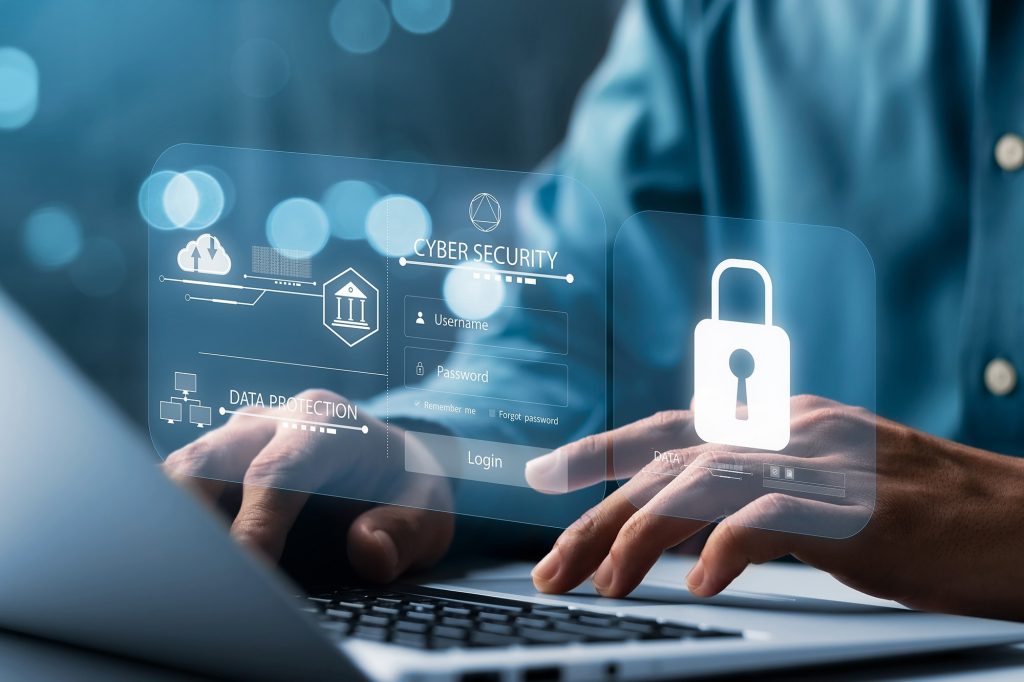
Cybercriminals employ a range of tactics, including social engineering, to manipulate individuals into divulging sensitive information or clicking on harmful links. For instance, a seemingly innocuous email can serve as a gateway to a data breach, as employees unwittingly provide access to the organization’s network. Furthermore, the rise of artificial intelligence AI has equipped cybercriminals with tools to automate and enhance their attacks, making it essential for organizations to stay one step ahead. To mitigate the risks, a proactive approach to cybersecurity is crucial. Organizations must prioritize the implementation of robust security measures, including multi-factor authentication, regular software updates, and comprehensive employee training programs. Cyber hygiene, such as using strong, unique passwords and being vigilant about suspicious communications, should be ingrained in the organizational culture.
Moreover, businesses should develop and routinely test incident response plans to ensure they are prepared for potential breaches. Collaboration with cybersecurity professionals can provide valuable insights and resources to bolster defenses. Regular security audits can help identify vulnerabilities before they are exploited, Protect Your Data allowing organizations to take corrective measures swiftly. The rising tide of cyber-attacks presents an urgent challenge that cannot be ignored. Preparedness is not merely a technical issue; it is a cultural imperative that requires engagement at all levels of an organization. By fostering a security-conscious environment and investing in the necessary tools and training, businesses can not only protect their assets but also build trust with customers and stakeholders. In this era of digital uncertainty, the question is not whether a cyber-attack will occur, but when—and being prepared is the best defense.