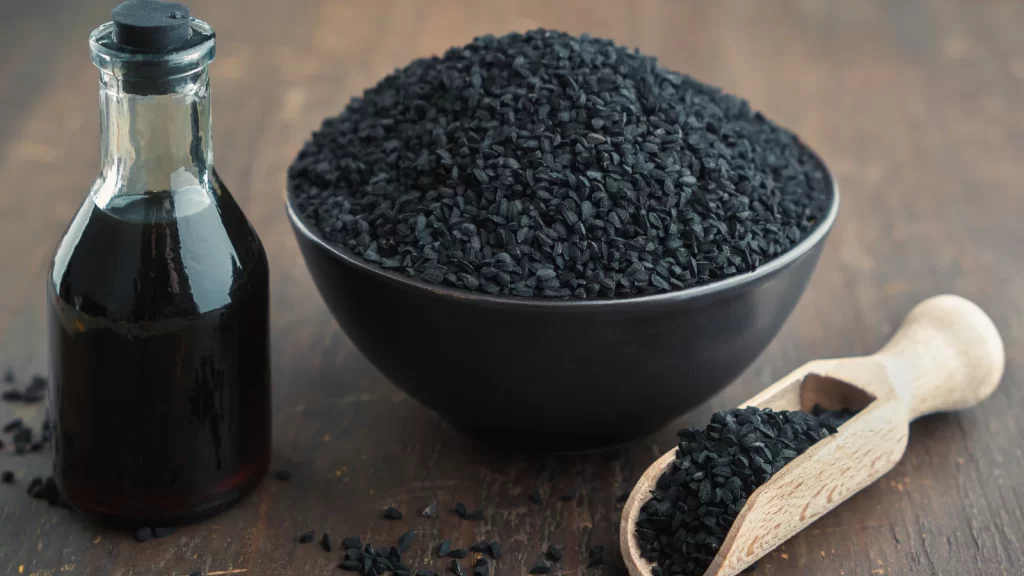
Black seed oil, derived from the seeds of the Nigella sativa plant, has a storied history and a broad spectrum of health benefits that have been recognized for centuries. Often referred to as black cumin seed oil or simply black seed, it has been lauded for its medicinal properties in ancient civilizations. Traditional uses date back to the times of the Pharaohs, with black seed oil purportedly found in King Tutankhamun’s tomb. Ancient texts from various cultures, including the Bible and Islamic scriptures, also mention black seed oil as a potent natural remedy. The health benefits of black seed oil are vast and varied, largely attributed to its rich composition of essential fatty acids, vitamins, and bioactive compounds such as thymoquinone. Thymoquinone, in particular, is renowned for its anti-inflammatory, antioxidant, and antimicrobial properties. Modern scientific research has begun to validate many of the traditional claims about black seed oil, confirming its efficacy in promoting health and treating various ailments. One of the most significant health benefits of black seed oil is its potential to boost the immune system.
Its anti-inflammatory properties are particularly beneficial for conditions such as arthritis and asthma, where inflammation plays a central role in symptom severity. Black seed oil is also celebrated for its potential to improve cardiovascular health. It helps in regulating blood pressure and cholesterol levels, reducing the risk of heart disease. The oil’s antioxidant properties combat oxidative stress, which is a major factor in the development of cardiovascular conditions. Moreover, black seed oil’s ability to support metabolic function can aid in weight management and the prevention of obesity-related diseases. In the realm of dermatology, black seed oil is revered for its skin-healing properties. It is often used to treat conditions like eczema, psoriasis, and acne due to its anti-inflammatory and antimicrobial effects. The oil can soothe irritated skin, reduce redness, and promote the healing of wounds. Its moisturizing properties also make it a popular ingredient in natural skincare products, helping to maintain skin hydration and elasticity.
Modern applications of black seed oil extend beyond traditional uses and health benefits. In the food industry, it is employed as a spice and preservative due to its distinctive flavor and antimicrobial properties. In the field of nutraceuticals, black seed oil is formulated into supplements that capitalize on its broad therapeutic potential. Additionally, ongoing research is exploring its potential in oncology, with preliminary studies suggesting that black seed oil may have anti-cancer properties, particularly in inhibiting the growth of certain types of tumors. Despite its numerous benefits, it is essential to use black seed oil with caution. While generally considered safe for most people, it can cause allergic reactions in some individuals and may interact with certain medications and check out this article for more info. Therefore, it is advisable to consult with a healthcare professional before incorporating black seed oil into one’s health regimen. In summary, black seed oil is a powerful natural remedy with a rich history and a wide array of health benefits.